
Digital products are one of the most accessible ways to build passive revenue online. Unlike physical products, they do not require inventory, storage space, packaging, or shipping. You create the product once, make it available online, and can potentially sell it many times.
That does not mean digital products are effortless or guaranteed to make money. A useful product takes research, planning, creation, testing, customer support, and marketing. But compared with many traditional businesses, the startup costs can be lower and the ability to scale can be greater. Creating Digital Products
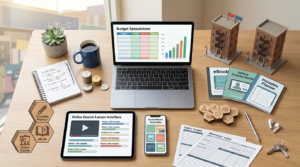
For beginners, digital products can be especially attractive because you can start with skills and knowledge you already have. A budget spreadsheet, savings tracker, printable planner, ebook, checklist, online mini-course, or template may solve a real problem for someone else.
The strongest digital products do not rely on hype. They provide a clear benefit. They save people time, help them organize information, teach a practical skill, or make a difficult task easier.
https://trendminers.online/passive-income-ideas-that-work/
This guide explains what digital products are, how to choose a profitable idea, how to create your first product, where to sell it, and how to build passive revenue realistically.
What Is a Digital Product?
A digital product is an item that customers can access, download, use, or consume electronically.
Unlike a physical product, it is not shipped in a box. After payment, customers may receive a downloadable file, login access, email delivery, or access to an online platform.
Common examples of digital products include:
- Ebooks
- Printable planners
- Budget templates
- Spreadsheets
- Checklists
- Online courses
- Video tutorials
- Digital art
- Stock photos
- Music files
- Notion templates
- Resume templates
- Social media templates
- Printable worksheets
- Meal planners
- Business forms
- Design assets
- Software tools
- Mobile apps
- Membership content
For a finance website, digital products can be highly relevant because people often need help organizing their money.
Examples of finance-related digital products include:
- Monthly budget planners
- Debt payoff trackers
- Savings challenge printables
- Bill payment calendars
- Net worth tracking spreadsheets
- Expense tracking templates
- Financial goal worksheets
- Freelance income trackers
- Small business invoice templates
- Retirement planning checklists
- Beginner investing journals
- Estate planning document checklists
The best products are usually simple, specific, and useful. You do not need to create a huge 100-page course to get started. A well-designed spreadsheet that solves one clear problem can be more valuable than an overly broad product with too much information.
Why Digital Products Can Create Passive Revenue
Digital products can create passive revenue because the same product can be sold repeatedly without being recreated for every customer.
For example, you may spend several days creating a high-quality budget spreadsheet. After you publish it on your website or a marketplace, a customer can purchase and download it automatically. If 100 people buy it, you do not need to make 100 separate spreadsheets.
This gives digital products several possible advantages:
- Low inventory costs
- No shipping or physical storage
- Ability to sell globally
- Potential for automated delivery
- Flexible pricing
- Opportunity to update and improve products
- Ability to create bundles and product collections
- Potential to support other income streams
However, there are also challenges:
- Competition can be high
- Products can be copied or shared without permission
- Marketing takes time
- Customers may need support
- Platforms may charge transaction or listing fees
- Income is not guaranteed
- You may need to update products regularly
Digital products are often best described as semi-passive income. The sales and delivery process can be automated, but maintaining quality and visibility requires ongoing work.
For a broader overview of income-producing assets, read 15 Passive Income Ideas That Actually Work for Beginners.
Start With a Problem, Not a Product
One of the biggest mistakes beginners make is creating something they personally like without confirming that people actually need it.
Instead of asking, “What product should I make?” start with a better question:
What problem can I help someone solve?
People usually buy digital products because they want a specific outcome. They may want to save time, reduce confusion, get organized, learn a skill, manage money, or avoid making mistakes.
For example, “a finance planner” is broad. But “a simple paycheck budget spreadsheet for first-time workers” is more specific.
Likewise, “a debt tracker” is broad. But “a debt snowball tracker that calculates payoff progress” speaks directly to a user need.
You can discover problems by looking at:
- Questions people ask in search engines
- Comments on blogs and social media posts
- Online forums and communities
- Product reviews on marketplaces
- Customer questions on competitor listings
- Your own audience emails and messages
- Common challenges you have experienced personally
- Search suggestions related to your niche
If many people ask how to organize bills, track irregular income, or build a first budget, those questions can become digital product opportunities.
A good product does not have to be revolutionary. It simply needs to be useful, clear, and easier to use than starting from scratch.
Digital Product Ideas for a Finance Website
Finance is a strong niche for digital products because financial organization is a recurring need. People want practical tools that help them understand where their money goes and how to make better decisions.
Here are beginner-friendly product ideas for a finance blog.
Budget Templates
Budget templates are among the most popular finance digital products. They can be designed for spreadsheets, printable PDFs, Notion, or other planning tools.
Possible versions include:
- Monthly household budget
- Weekly spending tracker
- Zero-based budget worksheet
- Paycheck-to-paycheck budget planner
- Budget template for couples
- Student budget planner
- Freelancer budget template
- Family expense tracker
- Annual budget workbook
A useful budget template should be easy to understand. Add categories, instructions, examples, and space for irregular expenses.
Link the product naturally to your article on How to Create a Monthly Budget That Actually Works.
Debt Payoff Trackers
Debt payoff templates help users track credit card balances, loans, minimum payments, payoff dates, and progress.
You could create tools based on popular payoff methods, including:
- Debt snowball tracker
- Debt avalanche tracker
- Credit card payoff planner
- Student loan repayment organizer
- Debt-free progress chart
- Monthly payment tracker
Avoid making legal, credit repair, or guaranteed financial outcome claims. Present your product as an organizational tool, not a promise that it will solve every financial problem.
Savings Challenge Printables
Savings challenge products can make saving money feel more motivating. They are usually simple to create and can appeal to users who prefer visual progress tracking.
Ideas include:
- 52-week savings challenge
- No-spend challenge calendar
- Vacation savings tracker
- Emergency fund tracker
- Home down payment tracker
- Holiday savings planner
- $5 or $10 savings challenge
- 100-envelope challenge tracker
These products work best when they include clear instructions and realistic reminders that every person’s financial situation is different.
Net Worth and Investment Trackers
A net worth tracker helps people list assets, debts, and progress over time. Investment trackers can help users organize account balances, contributions, dividends, and long-term goals.
Possible products include:
- Monthly net worth spreadsheet
- Dividend income tracker
- Investment contribution planner
- Retirement account tracker
- Asset allocation worksheet
- Personal finance dashboard
- FIRE number calculator worksheet
These products should include a financial disclaimer. Avoid implying that a template provides personalized investment advice.
Relevant articles to link include How Compound Interest Builds Wealth Over Time and Retirement Planning in Your 30s: How Much Should You Save?.
Financial Planning Checklists
Checklists are simple, practical, and beginner-friendly. They can also become low-cost entry products that introduce users to your website.
Examples include:
- New year financial checklist
- Moving house financial checklist
- First job money checklist
- New baby financial planning checklist
- First apartment budget checklist
- Tax document organization checklist
- Retirement planning checklist
- Estate planning document checklist
A checklist does not need to be long. It needs to be clear, useful, and easy to follow.
https://trendminers.online/passive-income-blueprint/
Choose One Specific Audience
The more clearly you understand your customer, the easier it becomes to create a product they want.
Trying to create a budget planner for “everyone” can make the product too generic. Instead, choose a focused audience.
Examples include:
- College students managing money for the first time
- Young professionals living on a monthly salary
- Freelancers with irregular income
- Couples combining finances
- Parents building a household budget
- People paying off consumer debt
- Beginners starting to invest
- Small business owners managing invoices
- Adults preparing for retirement
A product for a specific group can still be useful to others, but its marketing will be clearer.
For example:
Generic: “Monthly Budget Template”
Specific: “Simple Monthly Budget Template for Couples Managing Shared Expenses”
Generic: “Savings Tracker”
Specific: “Emergency Fund Tracker for Beginners Starting From Zero”
Specificity helps customers immediately understand whether the product is designed for them.
Validate Your Digital Product Idea
Before spending weeks creating a product, validate the idea.
Validation means gathering signs that people are interested in the problem your product solves.
You do not need to run a large survey or spend money on ads immediately. Start with simple research.
Look for search demand by checking search engine suggestions and related questions. Review similar products on digital marketplaces. Read both positive and negative reviews to understand what customers appreciate and what they feel is missing.
For example, if customers frequently say that other budget spreadsheets are too complicated, you may create a simpler version with beginner instructions.
You can also validate interest by publishing helpful blog content first. If your article about debt payoff methods receives traffic, comments, or email signups, a debt payoff tracker may be a relevant next product.
This content-first strategy supports SEO and helps build trust before asking readers to buy.
For ethical online income ideas, see How to Make Extra Money Online Without Falling for Scams.
Create a Product That Is Easy to Use
A digital product should reduce effort for the buyer. If customers need a long manual just to understand the file, they may feel frustrated.
Focus on user experience.
For spreadsheets, use clear tabs, helpful labels, simple instructions, and protected formulas where appropriate. Include an example version so users can see how the tool works before entering their own information.
For printables, ensure the layout is clean, readable, and printer-friendly. Use enough white space and avoid overly decorative designs that make the page hard to use.
For ebooks, use headings, short paragraphs, examples, and an easy-to-read font. Avoid padding the content with generic advice. Every page should offer value.
For online courses, divide lessons into manageable sections and give students a clear next step after each lesson.
Before launching, test the product yourself. Then ask a trusted person to use it without detailed help. Their questions can reveal confusing instructions or missing steps.
Tools You Can Use to Create Digital Products
You do not need expensive software to begin. Many beginner-friendly tools can help you create professional products.
For design and printable products, you can use tools such as Canva, Adobe Express, or other design platforms.
For spreadsheets and trackers, use Google Sheets, Microsoft Excel, or Apple Numbers.
For ebooks and written guides, you can draft in Google Docs, Microsoft Word, or Notion, then export as a PDF.
For courses, you may use a course platform, a membership site, a private video host, or a simple digital delivery tool depending on your needs.
For your first product, prioritize usefulness over complicated design. A clean, simple budget tracker that works well is more valuable than a beautiful tracker with broken formulas.
Always confirm that you have the correct commercial rights for fonts, stock images, illustrations, and design elements used in products you sell.
How to Price Digital Products
Pricing can feel difficult when you are just starting. You may be tempted to price everything very low, but a low price does not automatically lead to more sales.
Consider these factors:
- How much time does the product save the buyer?
- How specific is the problem it solves?
- Is the product simple or comprehensive?
- Are there similar products in the market?
- Does it include instructions, bonuses, or updates?
- What platform fees will you pay?
- Who is your target audience?
A simple printable checklist may be priced lower than a detailed financial planning workbook with multiple templates.
Instead of guessing, review comparable products. Do not copy competitors exactly, but use the market to understand customer expectations.
You can also create a product ladder:
- Free checklist to build an email list
- Low-cost template for beginners
- More detailed bundle with multiple tools
- Premium course or coaching service, if appropriate
This approach allows people to start with a small purchase before considering a larger offer.
Be transparent about what customers receive. Show preview images, file formats, instructions, and any limitations before purchase.
Where to Sell Digital Products
You can sell digital products through your own website, third-party marketplaces, or a combination of both.
Selling through your own website gives you more control over branding, pricing, customer relationships, and email marketing. However, you are responsible for attracting traffic.
Marketplaces may provide built-in search traffic, but they also have more competition, platform rules, and fees.
Common selling options include:
- Your WordPress website with an e-commerce plugin
- Digital download platforms
- Creator storefront platforms
- Online marketplaces for printables and templates
- Course platforms
- Membership platforms
- Email marketing platforms with digital product delivery
The best choice depends on your technical skills, budget, audience, and product type.
For an AdSense-focused finance site, your own website should remain the center of your content strategy. Your articles build search traffic, establish trust, and naturally introduce relevant products.
Avoid turning every article into a sales page. Helpful content should come first. Products should be offered when they genuinely help the reader take action.
How to Launch Your First Digital Product
Your first launch does not need to be complicated. You do not need a huge audience, paid advertising campaign, or perfect website.
Start small and focus on clarity.
Create a product page that explains:
- What the product is
- Who it is for
- What problem it helps solve
- What files or access the customer receives
- How the product works
- Whether it is editable or printable
- Important disclaimers
- Refund policy details, where applicable
- Support contact information
Use preview images that show the product clearly. If it is a spreadsheet, show screenshots of key tabs. If it is a printable, show several pages. If it is a course, show the lesson outline.
You can launch through:
- A blog post related to the product
- An email newsletter
- Social media posts
- Pinterest pins, where relevant
- A free lead magnet
- A product bundle
- A limited introductory offer
Do not use misleading countdown timers, fake scarcity, or unrealistic income claims. Trust is more valuable than a short-term sales tactic.
Build Content Around Your Product
One of the best ways to promote digital products is to create useful content around the same topic.
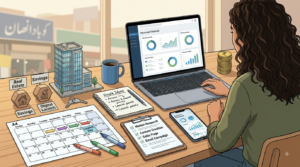
For example, if you sell a budget spreadsheet, create articles about:
- How to make a monthly budget
- Common budgeting mistakes
- How to budget with irregular income
- How to save money on groceries
- How to build an emergency fund
- Zero-based budgeting explained
Each article can answer the reader’s question first, then mention your spreadsheet as an optional tool.
This approach supports SEO because your website becomes more helpful and topically relevant. It also supports user trust because readers do not feel pressured to buy before receiving value.
For example, a natural internal link could say:
“If you want a ready-to-use tool, download our monthly budget spreadsheet. You can also learn the full process in our guide on How to Create a Monthly Budget That Actually Works.”
Use Email Marketing Carefully
Email marketing can help turn casual visitors into long-term readers and customers.
A simple strategy is to offer a free, helpful digital item in exchange for an email address. This could be a one-page budget checklist, a savings tracker, or a debt payoff starter worksheet.
Then send useful emails that educate subscribers. Do not only send promotions.
A healthy email sequence may include:
- A welcome email
- Helpful budgeting or saving tips
- Links to relevant articles
- A short explanation of your product
- Customer support information
- Occasional updates or new product announcements
Make sure you follow privacy laws and email marketing regulations that apply to your audience. Clearly explain how you will use subscriber information, include an unsubscribe option, and protect customer data.
Common Digital Product Mistakes to Avoid
Digital products can be a rewarding income stream, but several mistakes can limit your results.
Creating Before Researching
Do not spend a month creating a product without checking whether people need it. Start with a real problem and validate the idea.
Making Products Too Broad
A product designed for everyone may feel useful to no one. Focus on a specific customer and outcome.
Using Copyrighted Material Without Permission
Never use images, graphics, fonts, brand names, logos, or content that you do not have rights to use commercially.
Offering Poor Instructions
A product should be easy to use. Add a quick-start guide, tutorial, or example version where helpful.
Making Unrealistic Claims
Do not promise buyers that a budget template will make them rich, erase debt instantly, or guarantee investment returns.
Ignoring Customer Support
Even passive revenue requires communication. Customers may have download issues, questions, or technical problems. Provide a contact method and respond professionally.
Forgetting Updates
Tax rules, software formats, platform features, and personal finance best practices can change. Review and update your products periodically.
Depending on One Platform
A marketplace can change fees, policies, or visibility at any time. Build an email list and website audience so your business is not dependent on one platform.
https://trendminers.online/dividend-stocks-for-passive-income/
How Digital Products Fit Into a Passive Income Plan
Digital products can be one part of a diversified passive income plan.
For example, you may earn active income from your job, save cash in a high-yield account, invest regularly for retirement, and create digital products as an additional income stream.
If your products earn revenue, you can use that money to:
- Build your emergency fund
- Pay down debt
- Invest in retirement accounts
- Improve your website
- Create better products
- Hire professional help when needed
- Reinvest into other assets
This approach can be more sustainable than relying entirely on a single income source.
For a step-by-step strategy, read How to Make Money While You Sleep: Passive Income Blueprint. You can also explore Creating Multiple Income Streams: A Practical Beginner’s Guide.
Final Thoughts
Creating digital products can be a realistic way to build passive revenue, especially if you focus on solving specific problems for a clear audience.
Start with one simple product. Research the problem, create something easy to use, test it carefully, and publish helpful content that supports it. You do not need hundreds of products or thousands of followers to begin.
The strongest digital product businesses are built on trust, practical value, accurate information, and consistent improvement. Over time, a small product library can become a valuable digital asset that supports your larger financial goals.
Financial and Business Disclaimer: This article is for educational purposes only and does not guarantee income or business results. Digital product earnings vary based on product quality, audience demand, marketing, competition, pricing, and other factors. If your products include financial information or tools, clearly state that they are educational resources and not personalized financial, tax, legal, or investment advice.